INTEREST-FREE FINANCING AVAILABLE

 Shop All Loose Stones
 All Diamonds
 All Gemstones
 New! Special Order Stones
 Black Diamonds
 White Diamonds
 Sapphires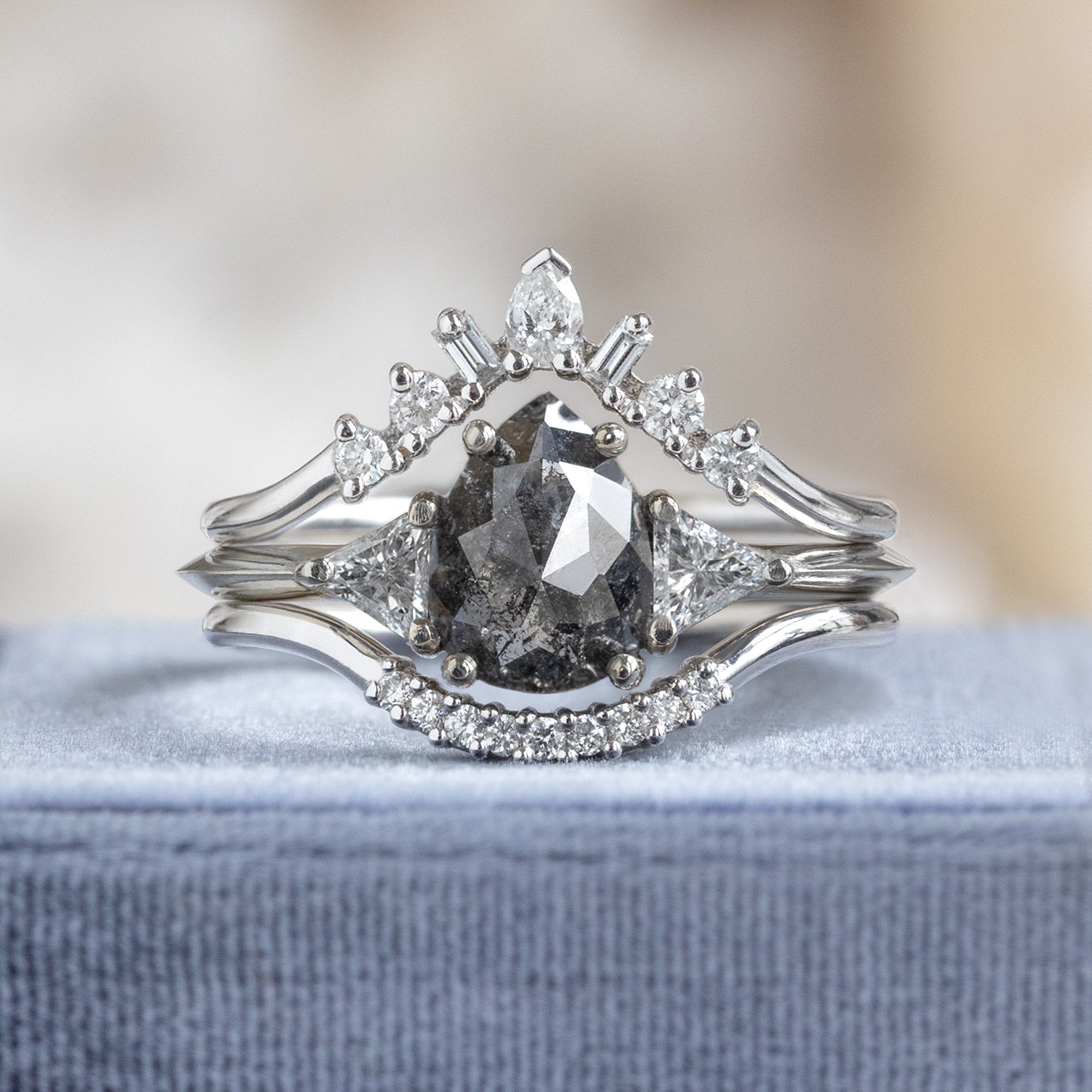



June 23, 2026
Lab-Grown vs Natural Diamond Engagement Ring
Choosing between a lab-grown vs natural diamond engagement ring is one of the first big decisions in the ring shopping process if you’ve decided you to go more traditional with tons of sparkle and durability. There's genuinely no wrong answer, despite what others will lead you to believe.
Both stones are real diamonds. They look identical on your finger. The difference comes down to origin, value over time, and what matters most to you and your partner. So, are lab-grown diamonds good for engagement rings? They definitely can be!
We design and handcraft both natural diamond engagement rings and lab-grown engagement rings in our New York studio. Trust Alexis Russell to bring your dream ring to live no matter what your budget and preferences are!

Lab-Grown vs Natural Diamond Engagement Ring (Fast Facts)
| Feature | Lab-Grown Diamond | Natural Diamond |
|---|---|---|
| Composition | Pure carbon crystal | Pure carbon crystal |
| Hardness | 10 (Mohs scale) | 10 (Mohs scale) |
| Certification | IGI graded | GIA graded |
| Price Per Carat | Much lower | Higher |
| Resale Value | Limited | Holds value over time |
| Origin | Lab (HPHT or CVD process) | Earth-mined over billions of years |
| Environmental Impact | Lower carbon footprint | Mining required |
| Emotional Factor | Modern, ethical appeal | Tradition, natural rarity |
What Are Lab-Grown Diamonds?
Lab-grown diamonds are real diamonds - same crystal structure, chemical composition, and physical properties as the stones that form deep in the earth. The only difference is where they're created.
Instead of forming over billions of years under extreme heat and pressure underground, lab-grown diamonds are created in a controlled environment using one of two methods:
- HPHT (High Pressure, High Temperature): Replicates the earth's natural diamond-forming conditions
- CVD (Chemical Vapor Deposition): Grows diamond crystal layer by layer from a carbon-rich gas.
Either way, the result is a stone that even trained gemologists can't tell apart from a natural diamond without specialized equipment. Lab-grown diamonds are graded by IGI using the same 4Cs (cut, clarity, color, and carat) as natural stones.
Still, we get asked all the time - are lab-grown diamonds good for engagement rings?

Are Lab-Grown Diamonds Good For Engagement Rings?
The short answer is yes - they're every bit as durable, brilliant, and beautiful as natural stones. A lab grown diamond rates 10 on the Mohs hardness scale, so it's just as resistant to scratching and everyday wear as a mined diamond.
Even trained eyes wouldn’t be able to differentiate between a lab-grown vs natural diamond engagement ring on the surface. They’re indistinguishable.
Yet, the price per carat is way lower than natural. That lets you get a larger center stone or put more of your investment into the setting and design. You can afford custom engagement rings that might have been otherwise out of reach - a detailed setting, a unique stone shape, or a one-of-a-kind design handcrafted to your exact vision.
There is one consideration worth weighing: resale. Lab-grown diamonds don't hold their value the way natural stones do. That's part of the picture if long-term investment matters to you.
But you’re probably choosing a stone to wear and love for the long haul - not to sell later. Lab-grown diamonds are a beautiful choice with none of the ethical question marks.
Lab-Grown vs Natural Diamond Engagement Ring: Side-by-Side Comparison
Breaking the lab-grown vs natural diamond engagement ring decision down point by point makes it easier to see which direction fits your values and priorities. There are a few things we walk our customers through to help them arrive at the right conclusion:
Origin and Ethics
Natural diamonds formed deep in the earth over billions of years. No two are exactly alike. That resonates with a lot of couples. There's something poetic about a stone that's been waiting underground since before humans existed.
On the other hand, lab grown diamonds carry a different kind of meaning: a conscious, modern choice with a lighter environmental footprint.
For what it’s worth, though, we here at Alexis Russell only source ethical diamonds that align with the Kimberly Process - so going with the real-deal doesn’t mean compromising on your values.
Neither origin story is better. It's about which one speaks to your relationship.
Cost
This is the big one. Lab-grown diamonds typically cost 40-60% less than comparable natural stones. A 1.5 carat lab-grown diamond that grades well in cut and clarity may sit at a price point where you'd only be able to afford a 0.75-1 carat natural stone.
There’s a supply difference, not a quality difference. Natural diamonds are finite. Lab-grown diamonds are not. This is the most significant gap in the lab-grown vs natural diamond engagement ring comparison.
Value Over Time
Natural diamonds hold more value on the resale market. Lab-grown diamonds have depreciated as production has scaled up, and the secondary market for them is limited.
The lab-grown vs natural diamond engagement ring value gap may not matter much if you have no intentions of selling your ring down the road to upgrade to a different one. Natural has the edge if investment value is part of the equation, though.
What Makes it Yours
This is where the lab-grown vs natural diamond engagement ring question gets personal.
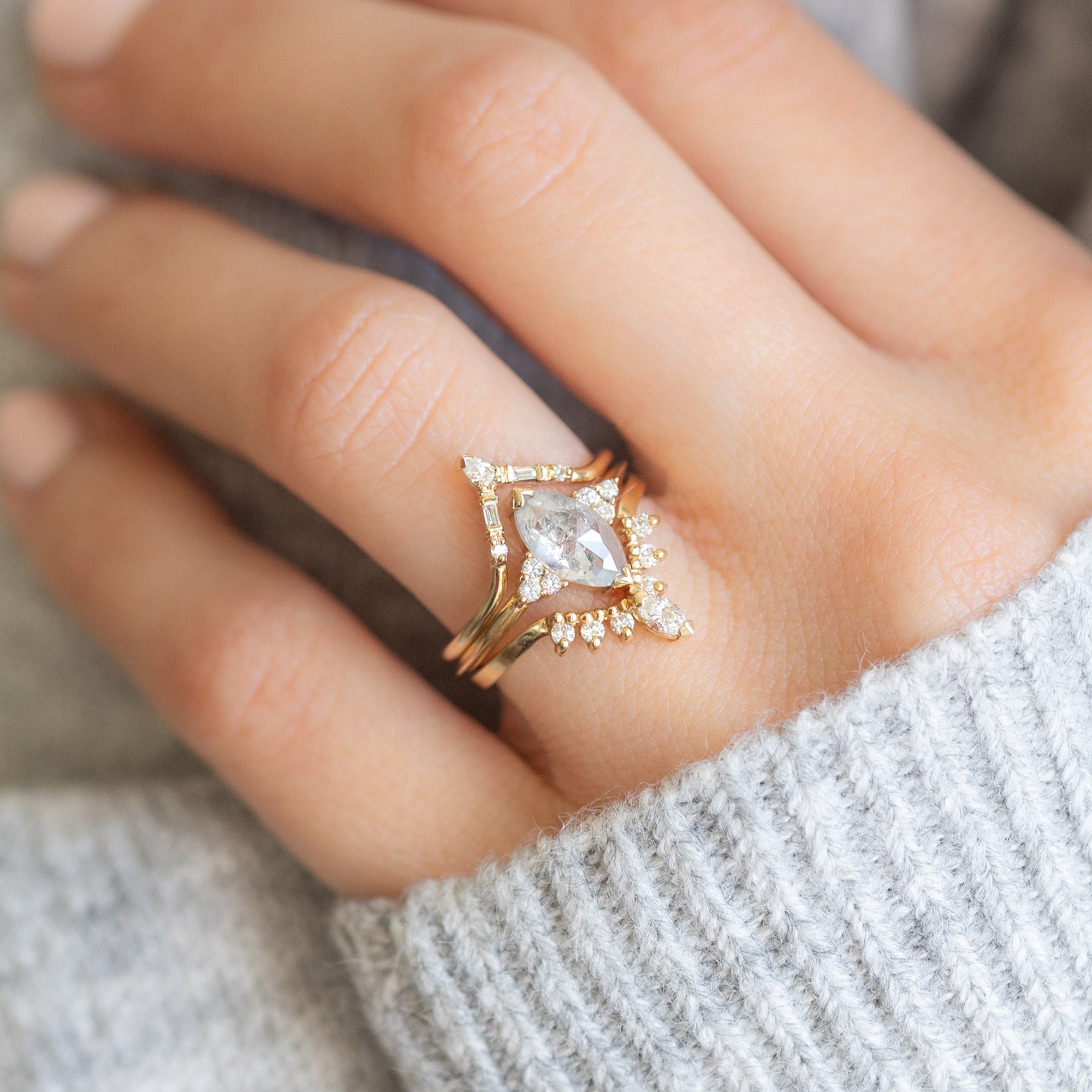
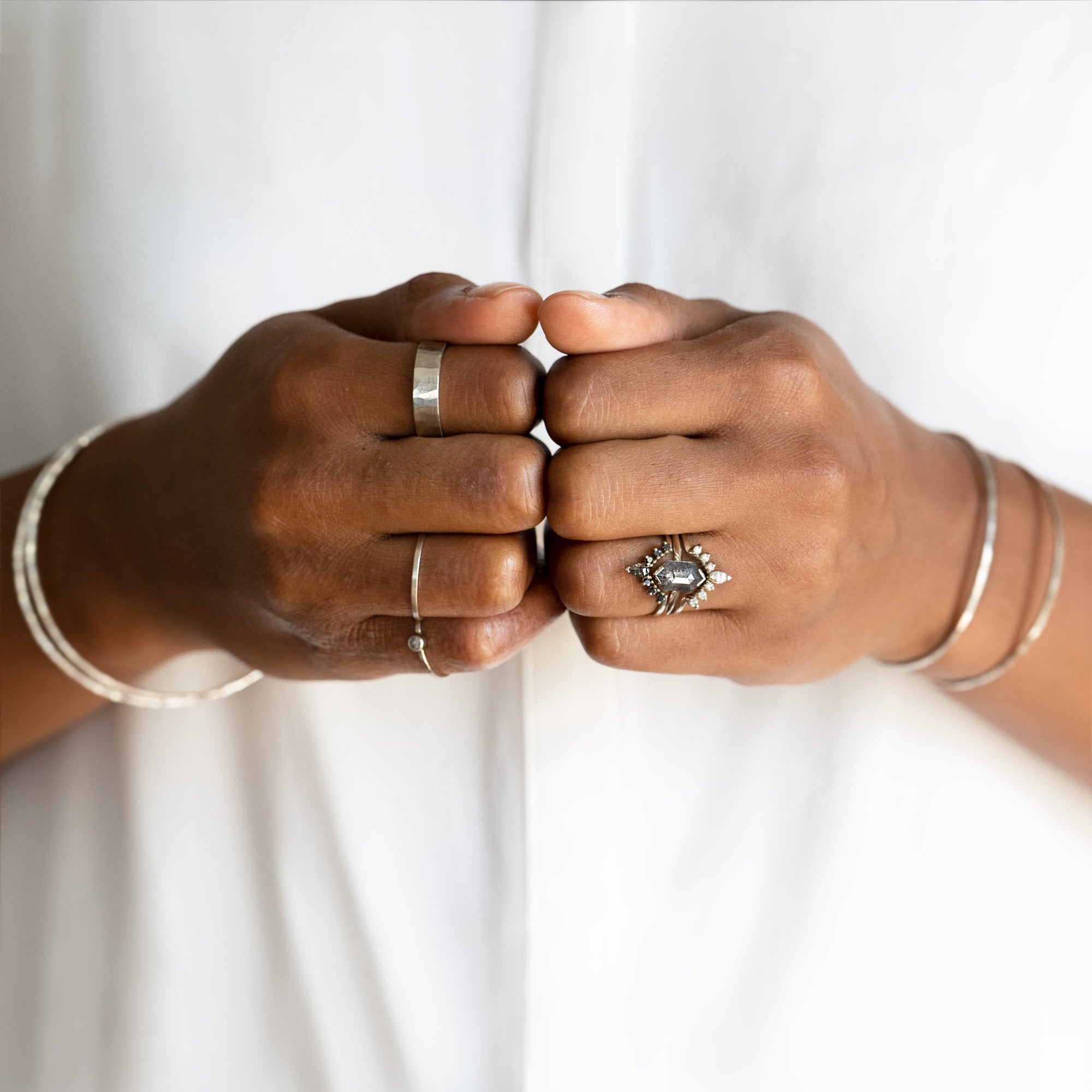
Some people want the ancient, one-of-a-kind character of a natural stone - especially unique cuts like rose cuts, salt and pepper diamonds, or black diamond engagement ring styles that you won't find at a traditional jeweler. Meanwhile, others want the modern confidence of lab-grown and love that their stone reflects their values.
Both are real diamonds. Each tells a story. The right one is whichever feels like yours. And here’s another question to ponder - does an engagement ring have to be a diamond? Not at all! There are tons of stunning gemstone engagement rings worth exploring. So, take the next step at Alexis Russell - the ring of your dreams awaits!
Final Words on Lab-Grown Diamond Engagement Rings vs Natural
The lab-grown vs natural diamond engagement ring decision doesn't have a universal answer. But we can help you get a better idea of which makes the most sense for you.
Alexis Russell handcrafts both natural and lab-grown diamond engagement rings in our New York studio. Every stone is ethically sourced and every setting is made to order.
Our design specialists are here to walk you through the options one-on-one, whether you already know exactly what you want or you're just starting to explore. Book a free virtual or in-person consultation, or browse our collection of unique engagement rings to find what speaks to you.
Your love story is one of a kind - your ring should be, too.

Frequently Asked Questions
How are lab-grown diamonds made?
HPHT recreates the conditions deep inside the earth using a lab chamber, while CVD grows diamond crystal layer by layer from a carbon-rich gas. Either method creates stones that are chemically and physically identical to natural diamonds. It takes a few weeks compared to the billions of years nature requires.
Are lab-grown diamonds real diamonds?
Yes. Lab-grown diamonds have the same carbon composition, crystal structure, hardness (10 on the Mohs scale), and optical properties as natural diamonds. The FTC recognizes them as diamonds. Even trained gemologists can't distinguish them without specialized testing equipment.
Are lab-grown diamonds more affordable than real diamonds?
Lab-grown diamonds usually cost 40-60% less per carat than their natural counterparts. The quality isn't lower, though. Natural diamonds are scarce, so companies can charge more. Lab-grown diamonds can be produced to meet demand, in turn bringing down the per-carat cost. That difference can mean a larger center stone or a more detailed setting within the same investment.
Are lab-grown diamonds acceptable to propose with?
Absolutely. We have helped countless couples choose lab-grown diamonds for engagement rings, and the trend is only picking up steam. What makes a proposal meaningful is the intention behind it, not where the carbon in your ring originated. Are lab-grown diamonds good for engagement rings? We hear this question often, and the answer is always yes.
Do lab-grown diamonds hold their value?
Not as well as natural diamonds. There is a very limited resale market for lab-grown diamonds, so don’t expect to recoup your investment. Natural diamonds hold or appreciate in value more reliably over time.
What other gemstones should I consider?
The world of gemstone engagement rings is vast. Montana sapphires, emeralds, Australian opals, and salt and pepper diamonds all make stunning center stones with their own personality. Read our sapphire vs diamond engagement ring and diamond vs emerald engagement ring comparisons for a closer look, or explore our full guide to diamond alternative engagement ring options. There's no wrong answer!
